Metadata Recasting
The Recast function is used to re-broadcast extracted stream metadata (raw or decoded) over UDP for processing by other applications (metadata sharing).
- In SYNC KLV mode (when PTS timestamps are available), the selected metadata PID is demultiplexed from the stream or file and stored in an internal FIFO to synchronize with the video. When the presentation time arrives, the packet is sent over UDP.
- In ASYNC KLV mode, the data is processed as it arrives.
⚙️ Recaster Configuration
The Recaster configuration defines the URL for UDP streaming, so the desired parameters—such as network interface (if more than one is available), IP address, and port—must be set by the user.
Both Multicast and Unicast modes are supported.
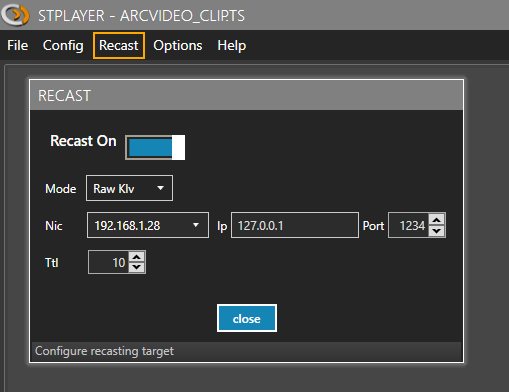
Once configured, the values are saved as part of the application settings and applied to all missions during playback.
📦 RAW KLV Recasting
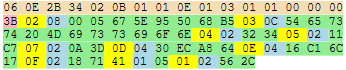
In RAW Klv mode, the incoming data packets are: - Demultiplexed - Assembled from the 188-byte TS packets - Sent over UDP without further processing
So, the buffer will start with:
06 0E 2B 34 02 0B 01 01 0E 01 03 01 01 00 00 00
📄 Decoded (JSON) Metadata Recasting
In JSON mode:
- KLV packets are demultiplexed, assembled, and decoded
- KLV items are passed to MISB 0601, 0102, and 0903 decoders
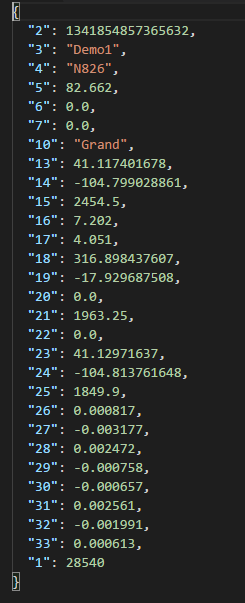
Output is a JSON-encoded packet:
- Keys represent MISB tags
- Values contain fully decoded MISB data
- Nested standards (e.g., 0102, 0903) are included as nested JSON